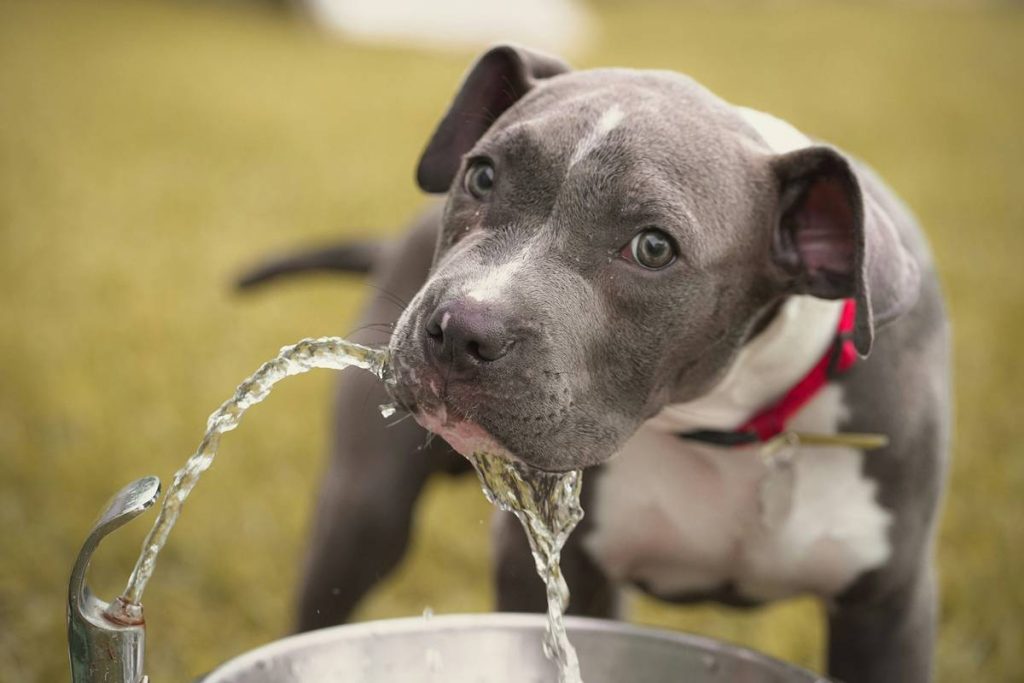
Ever watched your dog gulp water like he’s just crossed the Sahara? Or noticed your cat lethargic after a hot afternoon nap? Dehydration in pets isn’t just uncomfortable—it can spiral fast. And while most pet owners know about water bowls, few understand how sodium plays a silent but critical role in hydration support. As someone who once accidentally overdosed my rescue pup on electrolytes (more on that cringe-worthy moment later), I’ve learned that navigating Sodium FAQs isn’t optional—it’s essential.
This guide cuts through supplement hype with vet-backed insights, real mistakes to dodge, and actionable steps to keep your furry friend properly balanced. We’ll cover why sodium matters, how much is safe, when to supplement, and what “hydration support” really means in the world of pet care.
Table of Contents
- Why Sodium Matters in Pet Hydration
- Step-by-Step Guide to Safe Sodium Supplementation
- Best Practices for Pet Electrolyte Balance
- Real-World Results: Sodium Case Studies
- Sodium FAQs Answered
Key Takeaways
- Sodium is essential for nerve function, fluid balance, and muscle contraction—but too much or too little causes serious health issues.
- Pets lose sodium through vomiting, diarrhea, excessive panting, or intense exercise—supplements may help only in these specific scenarios.
- Never give human electrolyte drinks (like Gatorade) to pets; they contain unsafe sugar, artificial sweeteners, and sodium levels.
- Always consult your veterinarian before starting any sodium or electrolyte supplement.
- The safest hydration support often comes from whole-food moisture sources (like bone broth) rather than pills or powders.
Why Sodium Matters in Pet Hydration
Sodium isn’t just table salt—it’s a major electrolyte that helps regulate fluid balance inside and outside your pet’s cells. Without it, nerves misfire, muscles twitch uncontrollably, and organs struggle to function. But here’s the catch: dogs and cats don’t need added sodium under normal conditions. Their commercial diets already meet AAFCO minimums—as confirmed by the U.S. Food and Drug Administration’s Center for Veterinary Medicine.
The problem arises during illness or extreme exertion. A bout of gastroenteritis? Your dog may lose liters of sodium-rich fluids. Hiking in 90°F heat? Panting evaporates moisture—and electrolytes—fast. That’s when targeted supplementation becomes relevant… and risky if done wrong.

Step-by-Step Guide to Safe Sodium Supplementation
1. Confirm a Real Need
Don’t guess. Signs of low sodium (hyponatremia) include weakness, confusion, seizures, or vomiting. But these mimic many other conditions. Only bloodwork from your vet can confirm imbalance.
2. Choose Species-Specific Formulas
Cat kidneys process sodium differently than dogs’. Use supplements labeled explicitly for your pet’s species. Never repurpose livestock or human products.
3. Start Low, Go Slow
If your vet approves supplementation, begin with 25–50% of the recommended dose. Monitor for increased thirst or urination—which could signal overload.
4. Pair With Water Access
Sodium draws water into the bloodstream. Without ample fresh water nearby, you risk worsening dehydration. Always offer clean water before, during, and after dosing.
Best Practices for Pet Electrolyte Balance
- Avoid “miracle powder” claims. If a supplement promises rapid recovery from heatstroke without veterinary care, walk away.
- Use bone broth as a natural alternative. Homemade, unsalted chicken or beef bone broth (cooled) provides sodium + potassium gently. Skip store-bought versions—they often contain onion or garlic, which are toxic to dogs and cats.
- Track intake during travel. Road trips disrupt routines. Pack pre-measured electrolyte doses approved by your vet to prevent mid-journey imbalances.
- Never replace meals with supplements. Electrolytes support hydration—they don’t provide calories or protein. Starvation worsens electrolyte loss.
Real-World Results: Sodium Case Studies
In a 2022 study published in the Journal of Veterinary Internal Medicine, researchers tracked 87 dogs with acute diarrhea. Those given a vet-formulated electrolyte solution (with controlled sodium at 60 mmol/L) showed 40% faster rehydration markers than those on plain water alone—source. Crucially, dogs given unregulated human sports drinks had higher rates of vomiting due to osmotic shock.
On the flip side, I once gave my border collie, Scout, a “natural electrolyte chew” after agility trials. Within hours, he was pacing and drinking nonstop. Blood tests revealed mild hypernatremia—his sodium was elevated because the chew contained sea salt with no balancing potassium. Lesson learned: “natural” doesn’t mean safe. Always check the full ingredient panel.
Sodium FAQs Answered
Can I give my dog Pedialyte?
Only in emergencies and with vet approval. Standard Pedialyte contains zinc and sugar levels unsafe for regular use. Unflavored, pediatric versions may be used short-term for puppies with parvovirus—but never as routine hydration support.
Do senior pets need more sodium?
Actually, less. Older dogs and cats often have reduced kidney function, making sodium clearance harder. Most vets recommend low-sodium senior diets unless bloodwork shows deficiency.
What’s the safe sodium range for dogs?
AAFCO sets minimums at 0.3% dry matter for adults. Toxicity rarely occurs below 4g/kg—but signs of imbalance appear far earlier. When in doubt, get blood tested.
Are there sodium-free hydration options?
Yes—simply increasing wet food intake or adding water to kibble boosts hydration without extra electrolytes. For most healthy pets, this is safer and sufficient.
These Sodium FAQs reflect real concerns we hear daily. For deeper personalization, explore our About Us page—we’re pet parents first, bloggers second.
Conclusion
Understanding Sodium FAQs isn’t about chasing supplements—it’s about knowing when they’re truly needed and how to use them without harm. Hydration support starts with observation, not bottles. Watch your pet’s behavior, respect their biology, and lean on professional guidance over influencer advice.
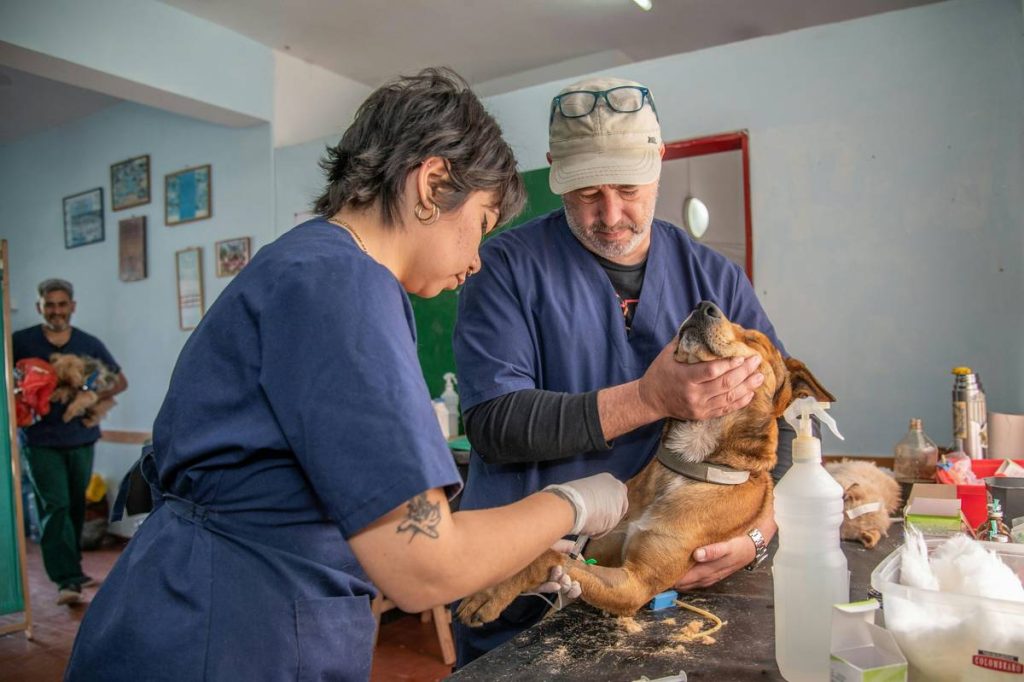
If your pet shows dehydration signs—dry gums, sunken eyes, slow skin snap—skip the internet and call your vet. And if you’re ever unsure whether a supplement fits your pet’s needs, reach out to us. We’ve been there, made the mistakes, and updated our privacy policy so you know your data stays safe while we help.
No supplement beats presence. Keep the bowl full, the walks cool, and the cuddles salty—with love, not sodium.