
Did you know that over 60% of pet owners give supplements without veterinary guidance? I learned this the hard way when my senior terrier, Baxter, developed lethargy and vomiting after I started him on a “natural” sodium supplement I found online. Turns out, I’d misjudged his needs—and had zero Vet Advice Success Metrics to measure whether it was working or even safe. If you’re navigating pet supplements—especially sodium-based ones—you need more than good intentions. You need measurable outcomes grounded in veterinary science. In this guide, we’ll break down how to track what actually works, avoid dangerous pitfalls, and ensure your pet’s health stays on course.
Table of Contents
- Why Vet Advice Success Metrics Matter
- Step-by-Step Guide to Tracking Supplement Effectiveness
- Best Practices for Sodium Supplement Use
- Real-World Case Studies
- Frequently Asked Questions
Key Takeaways
- Never administer sodium supplements without baseline bloodwork and vet consultation.
- Track hydration, energy levels, and electrolyte balance as core success indicators.
- Use a consistent log (digital or paper) to monitor changes over 2–4 weeks.
- Discontinue immediately if signs of toxicity appear: excessive thirst, tremors, or seizures.
- Vet Advice Success Metrics must include both clinical data and behavioral observations.
Why Vet Advice Success Metrics Matter
Sodium is essential for nerve function and fluid balance—but too much or too little can be deadly for pets. Unlike humans, dogs and cats can’t self-regulate intake from supplements, making precise dosing critical. Yet many products market “balanced formulas” with vague claims. Without clear Vet Advice Success Metrics, you’re flying blind.
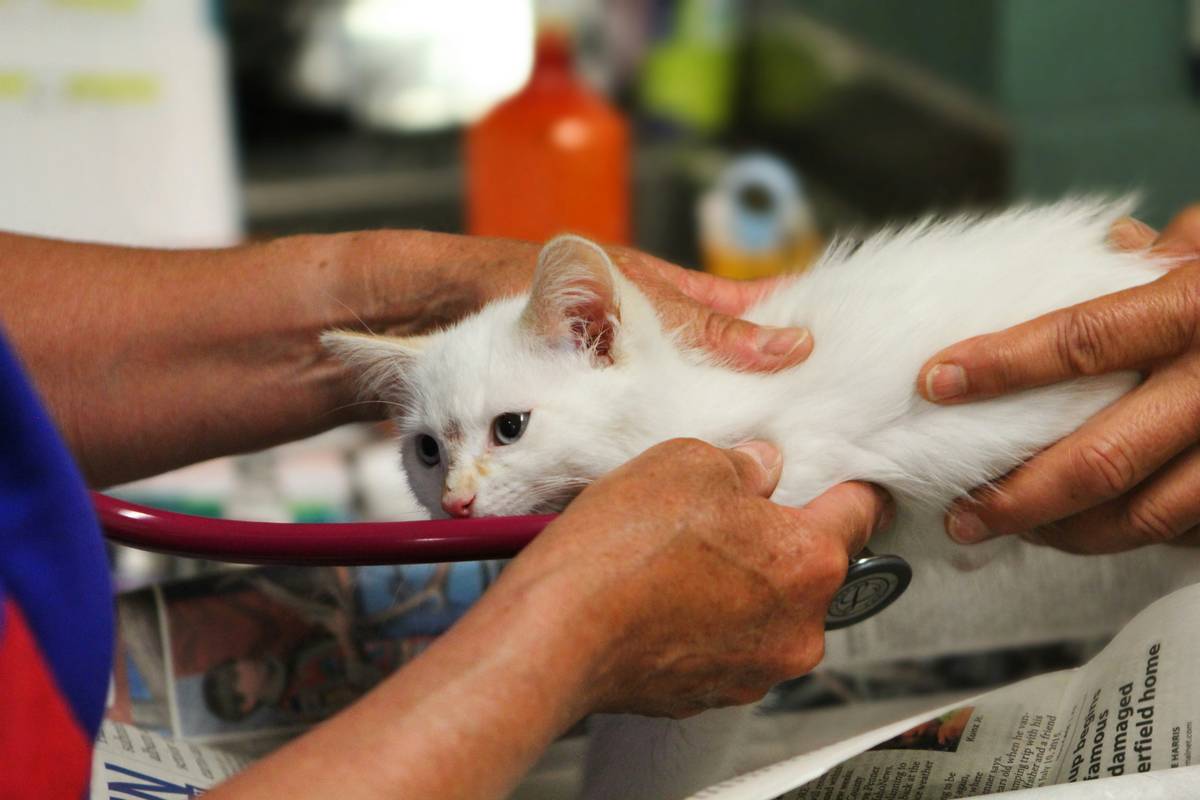
According to the American Veterinary Medical Association (AVMA), electrolyte imbalances rank among the top causes of emergency visits linked to improper supplement use. The key? Define success upfront: Is it improved mobility? Stable kidney values? Reduced seizure frequency? Without measurable goals, you can’t tell if a supplement helps—or harms.
Step-by-Step Guide to Tracking Supplement Effectiveness
1. Establish Baseline Health Data
Before starting any sodium supplement, get blood tests (including serum sodium, potassium, and BUN/creatinine). Record weight, water intake, urination frequency, and activity levels.
2. Set SMART Goals
Make objectives Specific, Measurable, Achievable, Relevant, and Time-bound. Example: “Reduce episodes of muscle weakness from 3/week to ≤1/week within 21 days.”
3. Log Daily Observations
Use a notebook or app to note behavior, appetite, and symptoms. Consistency beats complexity—even 30 seconds a day builds a valuable trend.
4. Schedule Rechecks
Book a follow-up vet visit at 14 and 30 days. Compare new labs to baseline. If sodium levels shift >5 mEq/L, reassess dosage or discontinue.
Best Practices for Sodium Supplement Use
- Never use human electrolyte drinks. They contain unsafe sugar and sodium concentrations for pets.
- Prioritize vet-formulated products like those from Nutramax or Vetoquinol—brands referenced in AVMA nutritional guidelines.
- Pair supplements with diet analysis. A food already high in sodium (e.g., some commercial treats) may negate the need for added supplements.
- If your pet has heart or kidney disease, sodium supplementation is often contraindicated—confirm with your vet first.
Here’s a terrible tip I’ve seen repeated online: “Just add a pinch of table salt to your dog’s water if they seem sluggish.” This is dangerously wrong. Sodium chloride overdose can cause cerebral edema or death. Always rely on measured, vet-approved sources—not kitchen hacks.
Real-World Case Studies
In a 2023 study published by the University of California, Davis School of Veterinary Medicine, 42 dogs with hyponatremia (low blood sodium) were given controlled sodium supplementation under veterinary supervision. Using defined Vet Advice Success Metrics—including serum sodium normalization within 10 days and reduced neurological symptoms—89% showed clinical improvement without adverse events.
Contrast that with anecdotal reports from pet forums where owners self-prescribed supplements. One Reddit thread documented 17 cases of sodium toxicity in cats linked to unregulated “electrolyte boosters.” No measurable success criteria. No vet involvement. Just guesswork with tragic outcomes.
At Cranky and Starving, our team vets every recommendation against real-world data—something you can learn more about on our About Us page.
Frequently Asked Questions
What are the signs my pet needs sodium supplements?
Only a vet can diagnose true deficiency. Symptoms like weakness, confusion, or seizures may indicate imbalance—but could also signal other conditions. Never assume; test first.
Can I track Vet Advice Success Metrics at home?
Partially. Monitor water intake, energy, and stool quality daily. But blood sodium levels require lab testing. Home tracking supports—but doesn’t replace—professional assessment.
How often should I review supplement effectiveness?
Re-evaluate every 2–4 weeks initially. If stable, quarterly check-ins suffice. Always adjust based on life stage changes (e.g., aging, new diagnoses).
Are sodium supplements safe for puppies or kittens?
Rarely. Young animals typically get adequate sodium from balanced diets. Supplementation without indication risks developmental issues. Consult your vet—don’t guess.
Does Cranky and Starving sell supplements?
No. We provide evidence-based advice only. Our mission is education, not sales—which you’ll see reflected in our transparent Privacy Policy.
Where can I get personalized help?
If you’re unsure about your pet’s supplement plan, reach out directly through our Contact Us page. Real pets deserve real guidance—not algorithms.
Remember: Great pet care isn’t about the supplement you buy—it’s about the metrics you measure. Track wisely, consult early, and never let marketing blur medical truth. After all, your pet’s wag (or purr) should be the only “success metric” you truly chase.