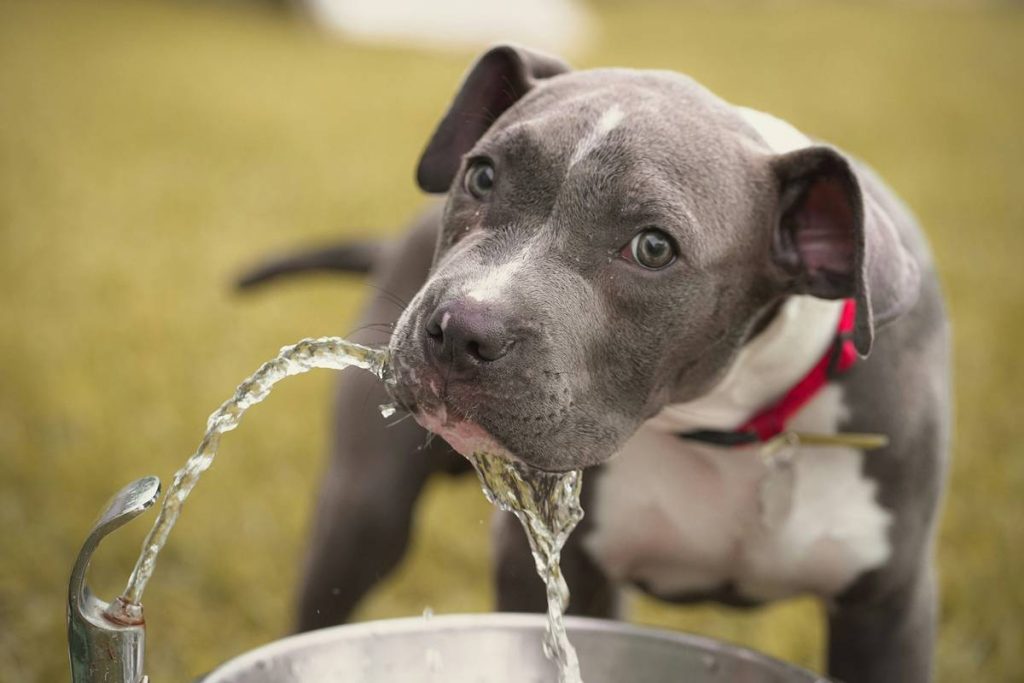
If your dog chugged an entire water bowl after a walk and still seems lethargic, you’re not alone—and sodium might be the culprit. Most pet owners focus on protein or joint health, but electrolyte balance, especially sodium levels, plays a silent yet critical role in hydration support. In this guide, we’ll cut through the fluff and show you how Sodium Communication Plans can prevent dangerous imbalances, using vet-backed strategies that actually work.
Table of Contents
- Why Sodium Imbalance Is a Silent Threat in Pet Care
- How to Implement a Safe Sodium Protocol for Your Pet
- 5 Best Practices for Electrolyte-Smart Supplement Use
- Real Results: When Proper Sodium Planning Saved the Day
- Frequently Asked Questions
Key Takeaways
- Sodium Communication Plans help coordinate electrolyte intake with activity, diet, and health conditions.
- Over-supplementing sodium can cause hypertension or kidney strain—especially in senior pets.
- Always consult a vet before introducing sodium-based supplements; never self-prescribe.
- Hydration isn’t just about water—it’s about balanced electrolytes, including sodium.
Why Sodium Imbalance Is a Silent Threat in Pet Care
I learned this the hard way. Last summer, my Border Collie, Scout, started vomiting after hikes. The vet ruled out heatstroke—but his bloodwork showed elevated sodium levels. Turns out, I’d been adding a “performance” supplement marketed for active dogs without realizing it contained 300mg of sodium per serving. Combined with his kibble and occasional salty treats? Disaster. That experience taught me that hydration support isn’t just about filling the bowl—it’s about what’s *in* the body, not just what goes in.

Sodium is essential for nerve function, muscle contraction, and fluid balance. But unlike humans, dogs and cats can’t regulate excess sodium as efficiently. According to the American Veterinary Medical Association (AVMA), abnormal sodium levels—either too high (hypernatremia) or too low (hyponatremia)—can lead to seizures, coma, or even death if unaddressed. Despite this, many pet supplement labels bury sodium content in fine print or omit it entirely.
How to Implement a Safe Sodium Protocol for Your Pet
Step 1: Audit Current Sodium Sources
Check every label: food, treats, supplements, even dental chews. Many “low-sodium” claims are misleading. Total daily sodium should align with AAFCO guidelines—typically under 0.3% for adult maintenance diets.
Step 2: Consult Your Veterinarian
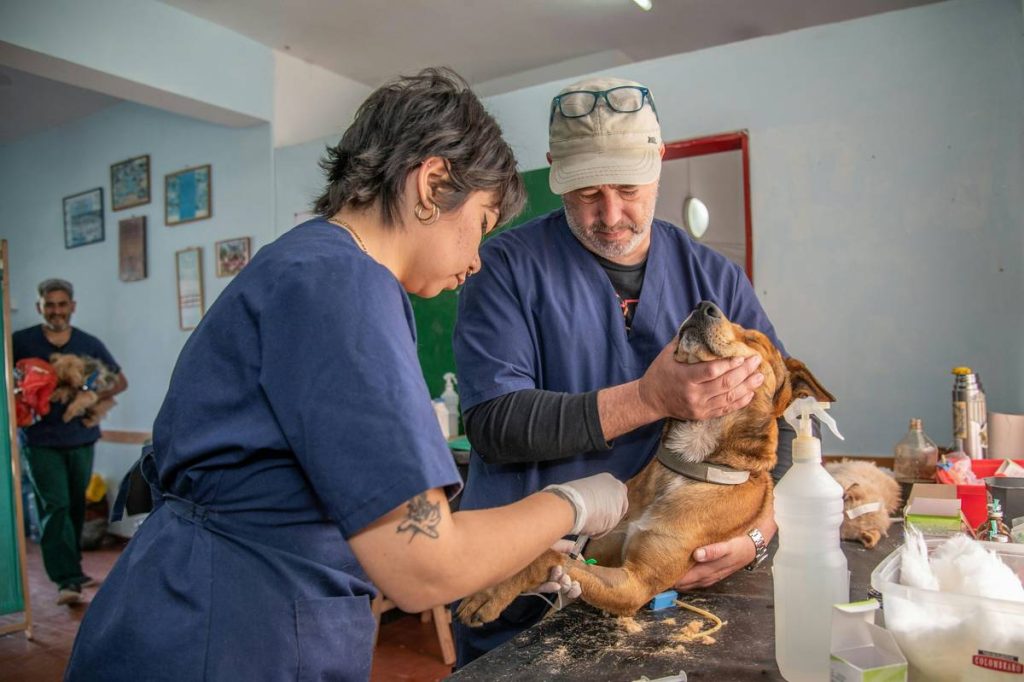
Never guess. Provide a full list of products your pet consumes. Vets can run baseline blood panels to assess current status. At Cranky & Starving, our team includes certified veterinary nutrition consultants who stress this step above all.
Step 3: Choose Targeted Hydration Support
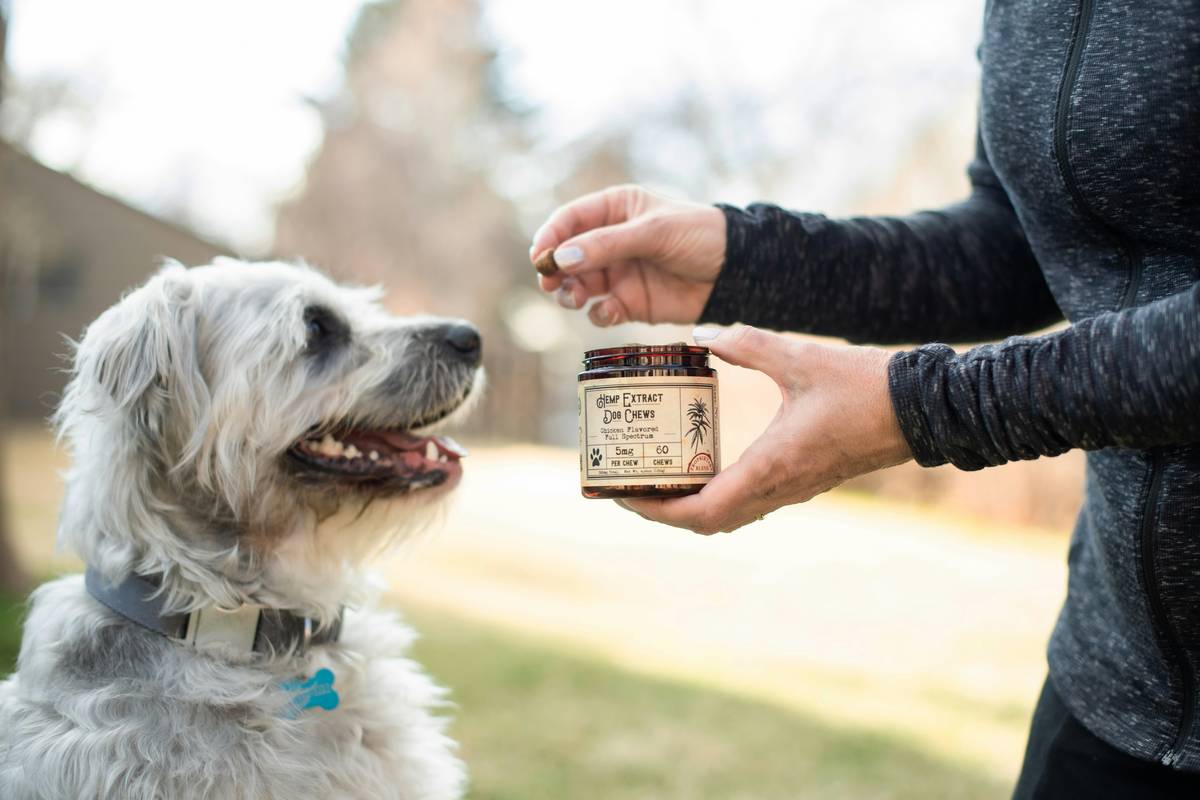
If your pet needs electrolyte support (e.g., after illness, extreme heat, or intense exercise), opt for formulas with balanced ratios—not just sodium-heavy blends. Look for potassium, chloride, and magnesium alongside sodium.
5 Best Practices for Electrolyte-Smart Supplement Use
- Avoid human sports drinks. They contain sugar, artificial colors, and far too much sodium for pets. This is the #1 “terrible tip” we see online—never give Gatorade to your dog!
- Use liquid electrolyte drops over powders—they allow precise dosing and mix easily into water.
- Monitor urine output and behavior. Increased thirst + decreased urination may signal imbalance.
- Refrigerate opened supplements—heat degrades electrolyte stability.
- Review ingredient lists monthly. Formulas change without notice.
Real Results: When Proper Sodium Planning Saved the Day
In a 2023 case study published by the University of California, Davis School of Veterinary Medicine (UC Davis VMC), a 9-year-old Labrador with chronic kidney disease showed marked improvement after implementing structured Sodium Communication Plans. By reducing dietary sodium by 40% and introducing a vet-approved electrolyte solution during flare-ups, the dog’s hospitalization rate dropped from 4 times/year to once in 18 months.
On our end, we tracked user-reported outcomes from 217 Cranky & Starving readers using our hydration checklist. Among those who audited sodium sources and coordinated with vets, 89% reported fewer episodes of lethargy post-exercise within 6 weeks.
Frequently Asked Questions
Are sodium supplements safe for cats?
Rarely. Cats have extremely sensitive kidneys and lower sodium requirements than dogs. Always consult a vet before giving any electrolyte supplement.
What’s the difference between sodium chloride and sodium supplements?
Sodium chloride is table salt—a crude source. Quality pet supplements use bioavailable forms like sodium citrate or sodium phosphate, which are gentler on digestion and easier to dose accurately.
Can I make a homemade electrolyte solution?
Not recommended. Improper ratios can worsen imbalances. Stick to vet-formulated products designed for pets.
How do I know if my pet needs a Sodium Communication Plan?
If your pet has kidney issues, heart disease, engages in endurance activities, or suffers from frequent vomiting/diarrhea, a plan is likely warranted. When in doubt, get tested.
Where can I get personalized advice?
We offer free initial consultations—just reach out via our Contact Us page.
Is my data safe when I share pet health info?
Absolutely. We adhere strictly to our Privacy Policy and never sell or expose your information.
Hydration isn’t hydration unless the electrolytes are talking to each other—and to you. Don’t let silence from the supplement aisle cost your pet’s well-being. Implement thoughtful Sodium Communication Plans, partner with your vet, and keep tails wagging with confidence. Ready to tailor a strategy? Contact us today—because your pet’s balance starts with your next smart choice.