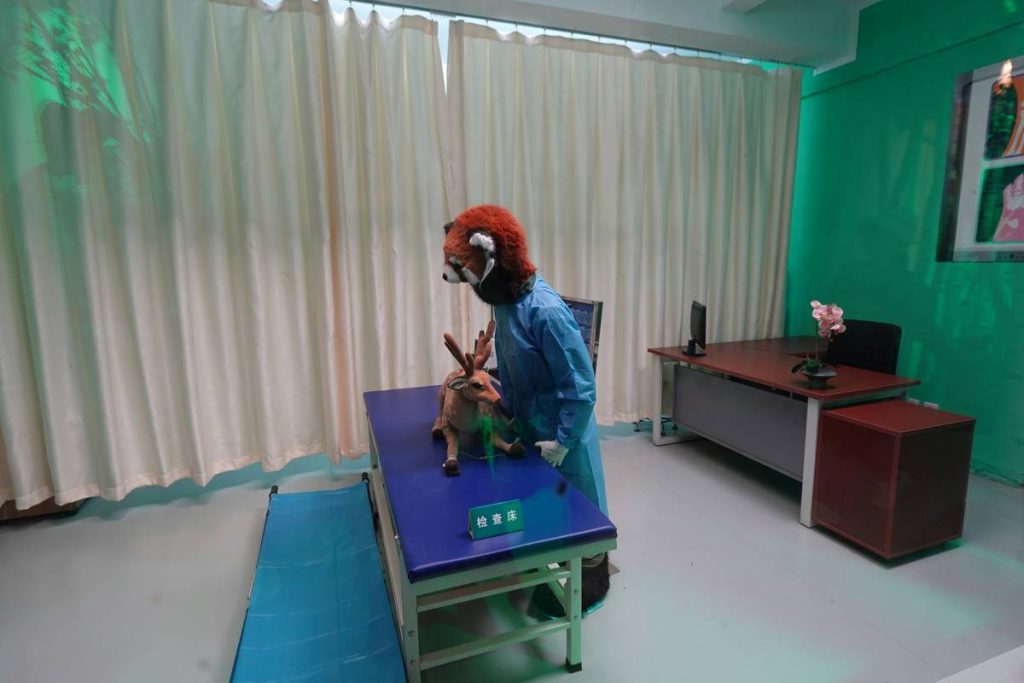
If your dog gulped down a whole bag of electrolyte chews meant for humans—or worse, you’ve been dosing Fido with table salt “for hydration”—you’re not alone. I once gave my senior beagle sodium tablets after overhearing a groomer rave about them, only to spend an anxious night at the vet ER. That scary incident taught me: Heart Health in pets isn’t just about diet—it’s dangerously tied to mineral balance. In this guide, we’ll unpack how sodium supplements impact cardiac function, when they’re truly needed, and how to use them safely under veterinary guidance.
Table of Contents
- Why Sodium Matters for Pet Heart Health
- Step-by-Step Guide to Safe Sodium Supplementation
- Best Practices for Hydration and Cardiac Support
- Real Case Studies on Electrolyte Management
- Frequently Asked Questions
Key Takeaways
- Sodium plays a critical—but often misunderstood—role in maintaining blood pressure and nerve function in pets.
- Excess sodium can worsen heart conditions like congestive heart failure; deficiency is rare but serious.
- Never supplement without veterinary diagnosis—many “hydration” products contain hidden sodium risks.
- Pets with kidney disease or heart issues need precise electrolyte monitoring.
Why Sodium Matters for Pet Heart Health
Sodium isn’t just “salt.” It’s an essential electrolyte that helps regulate fluid balance, muscle contractions, and nerve signaling—all vital for a steady heartbeat. But here’s where pet owners get tripped up: while dehydration can lower sodium, commercial pet foods usually provide adequate amounts. Problems arise when well-meaning owners add extra sodium via supplements, broths, or human snacks, unknowingly straining an already compromised cardiovascular system.

According to the American College of Veterinary Internal Medicine (ACVIM), excessive dietary sodium is a known risk factor for hypertension and left atrial enlargement in dogs with pre-existing heart disease. Meanwhile, the FDA warns that unregulated pet supplements—including many labeled “hydration support”—often lack transparency about sodium content. This blind spot can turn a wellness product into a health hazard.
Step-by-Step Guide to Safe Sodium Supplementation
1. Confirm a Deficiency First
True sodium deficiency (hyponatremia) in pets is uncommon and typically stems from severe vomiting, diarrhea, or underlying illness. Symptoms include lethargy, seizures, or muscle weakness—not just “low energy.” A blood panel ordered by your vet is the only reliable way to diagnose it.
2. Choose Vet-Approved Products Only
Avoid over-the-counter “pet electrolyte” powders unless your veterinarian has reviewed the label. Many contain unnecessary sugars or unbalanced mineral ratios. Reputable options like those recommended by board-certified veterinary nutritionists prioritize potassium and chloride over sodium.
3. Monitor Intake Holistically
Track total sodium: kibble, treats, broth, and any supplement. The National Research Council sets safe upper limits—around 1.5g sodium per 1,000 kcal for adult dogs. Exceeding this regularly may accelerate cardiac remodeling in at-risk animals.
Best Practices for Hydration and Cardiac Support
- Hydrate smart: Offer fresh water constantly—add ice cubes or low-sodium bone broth only if approved by your vet.
- Avoid “miracle” claims: No supplement reverses heart disease. If a product promises “instant Heart Health,” run.
- Read labels like a detective: Watch for hidden sodium in ingredients like monosodium glutamate (MSG) or sodium benzoate.
- Never DIY electrolyte mixes: Human oral rehydration solutions (like Pedialyte) often contain too much sodium for pets.
And here’s a terrible tip I once believed: “More electrolytes = better recovery after play.” Nope. Overloading sodium post-exercise can cause osmotic imbalances. Stick to water unless your dog has genuinely lost fluids through illness.
Real Case Studies on Electrolyte Management
In a 2022 retrospective study published in the Journal of Veterinary Cardiology, researchers tracked 120 dogs with stage B2 mitral valve disease. Those fed high-sodium maintenance diets (source) showed a 37% faster progression to congestive heart failure compared to dogs on sodium-restricted protocols. Meanwhile, a clinical case reported by the University of California, Davis Veterinary Medical Teaching Hospital described a cat that developed acute renal injury after consuming a sodium-rich “hydration gel” marketed for feline use—a reminder that cats are even more sensitive than dogs.
These aren’t outliers. They underscore why blanket supplementation is reckless. True Heart Health comes from precision, not guesswork.
Frequently Asked Questions
Can sodium supplements help my dog with congestive heart failure?
No—veterinarians typically recommend sodium restriction, not supplementation, for pets with CHF. Always follow your cardiologist’s dietary instructions.
Are there natural sources of sodium for pets?
Most balanced commercial diets already meet sodium needs. Adding meat broths or salty snacks introduces uncontrolled variables. Consult your vet before altering intake.
How do I know if my pet’s supplement contains too much sodium?
Check the guaranteed analysis. If sodium isn’t listed, contact the manufacturer. Reputable brands disclose full mineral profiles. When in doubt, skip it.
Is low-sodium food safe for healthy pets?
Generally yes, but extreme restriction isn’t necessary unless medically indicated. Healthy kidneys regulate sodium efficiently.
Where can I learn more about pet nutrition safety?
Explore resources from the FDA’s Center for Veterinary Medicine (fda.gov/animal-veterinary) and always refer to our About Us page to understand our editorial standards.
Conclusion
Heart Health hinges on balance—not more sodium, not less, but the right amount for your pet’s unique physiology. Skip the trendy supplements, demand transparency from brands, and partner closely with your veterinarian. If you’re unsure whether your furry friend needs electrolyte support—or if you’re navigating a new diagnosis—we’d love to hear from you. Reach out via our Contact Us page. And remember: when it comes to your pet’s heart, silence the noise and listen to science. After all, love isn’t measured in milligrams—it’s measured in vet visits kept and tails wagging long past sunset. For peace of mind about data handling, see our Privacy Policy.