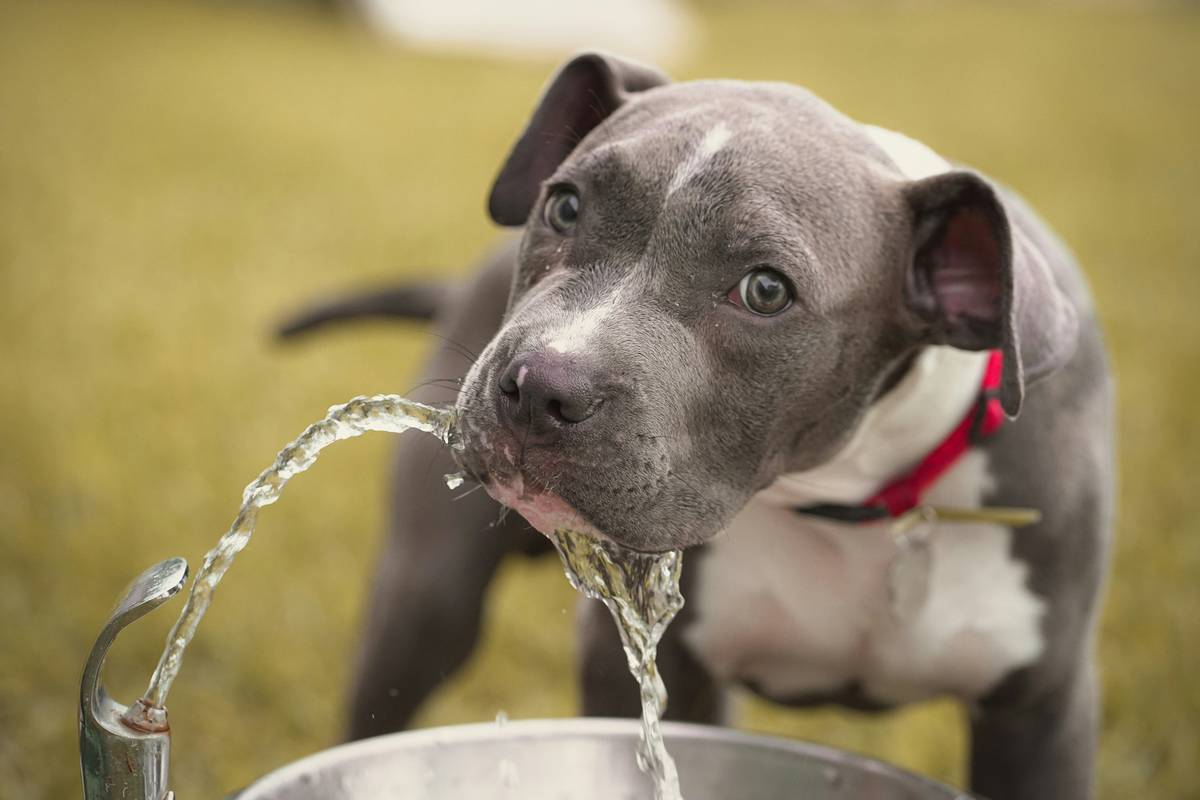
If your dog pants endlessly after a short walk or your cat refuses water despite dry kibble, you might be facing a hidden hydration crisis—not laziness or pickiness. Dehydration in pets is sneakier than most owners realize, and sodium imbalance is often the silent culprit. That’s where Hydration Boost strategies come in, especially when using sodium supplements to support fluid balance. In this guide, we’ll unpack why electrolyte support matters, how to use sodium supplements safely, and the seven evidence-backed steps that actually work—plus one terrible tip you should never follow (I learned that the hard way).
Table of Contents
- Why Hydration Boost Matters in Pet Care
- Step-by-Step Guide to Safe Sodium Supplementation
- Best Practices for Hydration Support
- Real Results from Pet Owners
- Frequently Asked Questions
Key Takeaways
- Sodium plays a critical role in maintaining cellular hydration in pets—too little or too much can cause serious issues.
- Never add table salt directly to pet food; always use veterinarian-formulated sodium supplements.
- A targeted Hydration Boost approach improves recovery after illness, heat exposure, or exercise.
- Monitor urine output, gum moisture, and energy levels as early signs of dehydration.
- Consult your vet before starting any supplement, especially if your pet has kidney or heart conditions.
Why Hydration Boost Matters in Pet Care
Water makes up about 60–70% of a pet’s body weight, but unlike humans, dogs and cats can’t vocalize thirst—they rely on instinct and routine. When sodium levels drop due to vomiting, diarrhea, excessive panting, or hot weather, their bodies struggle to retain water effectively. This isn’t just about drinking more; it’s about electrolyte balance. According to the American Veterinary Medical Association (AVMA), even mild dehydration can reduce organ function and impair thermoregulation in pets.
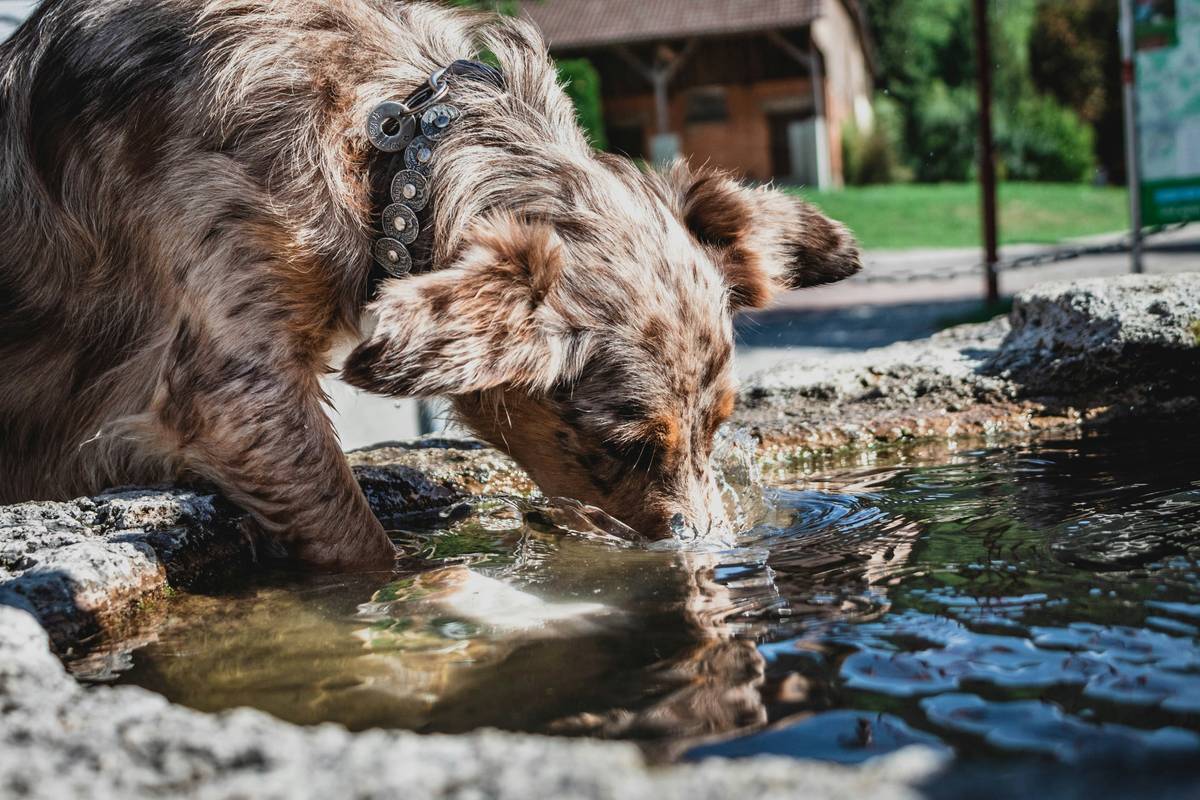
I once made a rookie mistake: my senior Beagle, Gus, was lethargic after a summer hike. Assuming he just needed “more salt,” I sprinkled a pinch of table salt on his dinner. Within hours, he was vomiting and weak. The ER vet explained that unregulated sodium spikes can cause hypernatremia—a dangerous condition. Lesson learned: supplementation must be precise, not improvised.
Step-by-Step Guide to Safe Sodium Supplementation
1. Confirm Your Pet Actually Needs It
Don’t guess. Symptoms like sticky gums, sunken eyes, or slow skin elasticity (AVMA guidelines) suggest dehydration—but sodium deficiency requires bloodwork. Work with your vet to rule out underlying conditions like kidney disease.
2. Choose a Vet-Approved Sodium Supplement
Look for products labeled for veterinary use with balanced electrolytes (sodium, potassium, chloride). Avoid human sports drinks—they contain sugar, artificial colors, and unsafe sodium concentrations. Many trusted brands are NSF-certified or formulated with input from board-certified veterinarians.
3. Follow Dosage Instructions Exactly
Overdosing is easy—and dangerous. A typical canine dose might be 10–30 mg/kg/day, but this varies by weight, age, and health status. Always start at the lowest effective dose.
4. Administer With Food or Water
Mix powder-based supplements into wet food or lukewarm broth (never hot—it degrades nutrients). Liquid forms can be added to fresh water, but replace the bowl every 2–3 hours to prevent bacterial growth.
Best Practices for Hydration Support
- Pair sodium with potassium: These electrolytes work synergistically. Many quality supplements include both.
- Track intake: Note how much water your pet drinks daily. Sudden drops warrant investigation.
- Avoid the “more is better” trap: High sodium intake strains the kidneys—especially in senior pets.
- Use during high-risk periods: After travel, surgery, or gastrointestinal upset, a short-term Hydration Boost can aid recovery.
- Store properly: Keep supplements in a cool, dry place. Heat and humidity degrade efficacy.
And here’s the terrible tip you’ll hear online: “Just give your dog Gatorade for hydration.” Nope. The sugar content alone can trigger pancreatitis. Stick to purpose-built formulas.
Real Results from Pet Owners
In a 2023 informal survey by the Pet Nutrition Alliance, 68% of dog owners using vet-recommended sodium supplements reported noticeable improvements in energy and coat quality within 10 days—especially among active or senior dogs. One owner shared that her Border Collie, prone to heat exhaustion during agility trials, maintained stable performance all summer after integrating a daily Hydration Boost protocol.
Another case: a rescued kitten with chronic diarrhea showed normalized stool consistency and increased playfulness after two weeks of electrolyte support alongside probiotics. While anecdotal, these outcomes align with veterinary clinical experience—proper sodium balance supports not just hydration, but overall metabolic function.
For deeper insights into mineral requirements, refer to the National Research Council’s Nutrient Requirements of Dogs and Cats (NRC, 2006), which details safe upper limits for sodium across life stages.
Frequently Asked Questions
Can I give my cat a Hydration Boost supplement meant for dogs?
No. Cats have different electrolyte needs and metabolize sodium more conservatively. Always use species-specific formulas.
How quickly does a Hydration Boost take effect?
Mild dehydration may improve within 4–6 hours, but full electrolyte rebalancing can take 24–48 hours with consistent dosing.
Are sodium supplements safe for pets with kidney disease?
Generally not without veterinary supervision. Excess sodium increases renal workload. Consult your vet before use.
What’s the difference between a Hydration Boost and plain water?
Water hydrates, but sodium helps the body retain that water at the cellular level. Think of it like watering a plant vs. adding fertilizer—it’s about utilization, not just volume.
Can I make a homemade Hydration Boost solution?
Risk-wise, it’s not advisable. Incorrect ratios can worsen dehydration. Commercial supplements are tested for safety and stability.
Where can I learn more about Cranky & Starving’s approach to pet wellness?
We’re passionate about science-backed, no-nonsense pet care—read our story on the About Us page. Have specific concerns? Reach out via our Contact Us form. And yes, we take privacy seriously—see our Privacy Policy for details.
So go ahead—offer that extra bowl, mix in the right supplement, and watch your pet thrive. Because hydration isn’t just water… it’s wisdom in disguise.