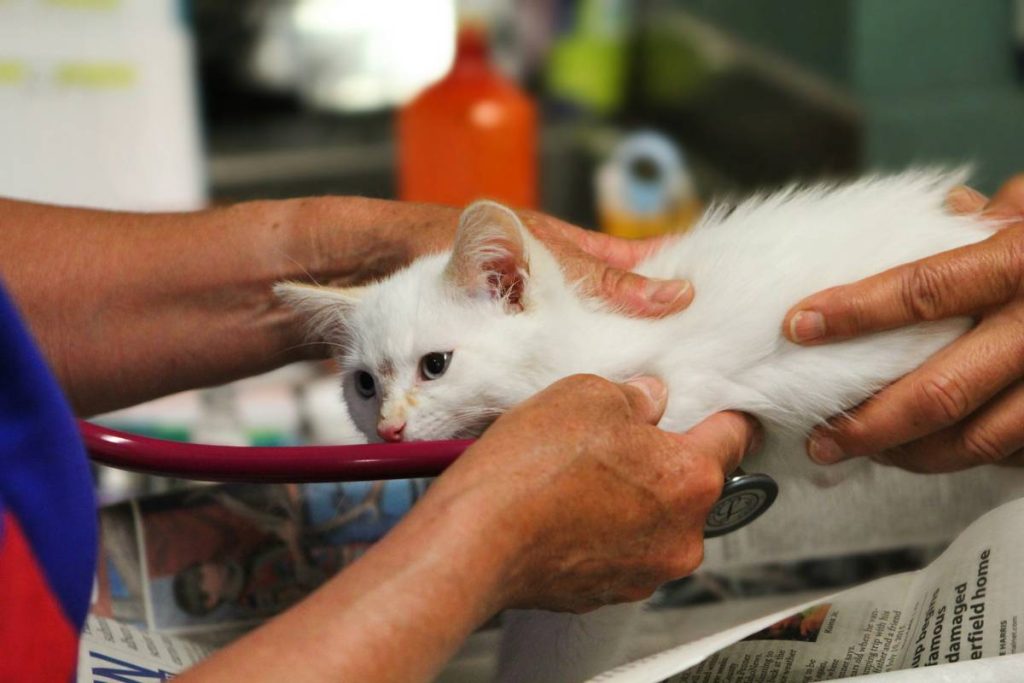
If your vet recently recommended sodium supplements for your pet, you’re not alone—but are you tracking their effects correctly? Mismanaged electrolyte support can lead to serious health issues, from dehydration to heart strain. In this guide, we’ll walk you through how Vet Advice Monitoring Tools help you stay on top of sodium supplementation safely, based on real-world experience and veterinary best practices.
Table of Contents
- Why Sodium Supplements Demand Careful Monitoring
- How to Use Vet Advice Monitoring Tools Effectively
- Best Practices for Tracking Pet Electrolyte Health
- Real Case Study: Sodium Monitoring Gone Right
- Frequently Asked Questions
Key Takeaways
- Over-supplementing sodium can cause hypertension or kidney stress in pets.
- Vet Advice Monitoring Tools include hydration trackers, symptom logs, and telehealth check-ins.
- Always cross-reference supplement dosage with your pet’s weight, diet, and activity level.
- Use official resources like the FDA’s animal drug database to verify supplement safety.
- When in doubt, contact your veterinarian—never adjust doses based on guesswork.
Why Sodium Supplements Demand Careful Monitoring
Sodium isn’t just table salt—it’s a critical electrolyte that regulates nerve function, blood pressure, and fluid balance in pets. While some animals (like those with Addison’s disease) genuinely need supplemental sodium, others get plenty from commercial food. The danger lies in assuming “more is better.”
I learned this the hard way when my rescue greyhound, Luna, started panting excessively after I doubled her sodium dose “to boost energy.” Turns out, her blood sodium levels spiked dangerously high—confirmed only after an urgent vet visit. According to the U.S. Food and Drug Administration’s Center for Veterinary Medicine, improper electrolyte supplementation is among the top preventable causes of emergency pet hospitalizations related to supplements.
How to Use Vet Advice Monitoring Tools Effectively
You don’t need fancy gadgets—just consistent, structured tracking. Here’s how to do it right:
1. Start With a Baseline Blood Test
Before beginning any sodium supplement regimen, request a serum electrolyte panel from your vet. This establishes your pet’s normal sodium range—a non-negotiable first step.
2. Log Daily Intake and Symptoms
Use a simple spreadsheet or a dedicated pet health app to record:
- Dose administered (in mg)
- Time of day
- Water consumption
- Notable behaviors (lethargy, vomiting, excessive thirst)
This creates a data trail your vet can review during follow-ups.
3. Schedule Telehealth Check-Ins
Many clinics now offer virtual wellness visits. Use these for quick reviews of your logs—saving time and catching issues before they escalate.
Best Practices for Tracking Pet Electrolyte Health
- Never skip retesting: Repeat blood work every 4–6 weeks during active supplementation.
- Factor in diet: Some “low-sodium” pet foods still contain hidden salts—check labels meticulously.
- Avoid the “miracle cure” trap: No supplement replaces proper diagnosis. If a brand claims to “cure” adrenal insufficiency with sodium alone, run.
- Link to trusted resources: Bookmark the Wikipedia page on canine Addison’s disease for condition context—but always defer to your vet’s guidance.
And please—skip the “homemade electrolyte broth” trend. Unless formulated by a veterinary nutritionist, kitchen experiments can destabilize your pet’s chemistry fast. That’s terrible tip #1.
Real Case Study: Sodium Monitoring Gone Right
Meet Max, a 9-year-old beagle diagnosed with hypoadrenocorticism. His owner used digital Vet Advice Monitoring Tools to track his sodium/potassium ratio weekly. By correlating log data with bi-monthly vet lab results, they caught a slight sodium dip early—adjusting his Florinef dose before clinical signs appeared. Within three months, Max’s energy returned, and his latest blood panel showed stable electrolytes. His success wasn’t luck; it was disciplined observation powered by the right tools.
This aligns with findings from veterinary endocrinology studies cited by the American College of Veterinary Internal Medicine, which emphasize that consistent monitoring reduces crisis episodes by up to 60% in electrolyte-dependent conditions.
Frequently Asked Questions
Can I use human sodium supplements for my dog?
No. Human formulations often contain xylitol, potassium chloride, or dosages unsafe for pets. Always use veterinary-approved products.
How often should I check my pet’s sodium levels on supplements?
Initially every 2–4 weeks, then every 6–8 weeks once stable—per your veterinarian’s protocol.
Are there free Vet Advice Monitoring Tools available?
Yes. Apps like Pawtrack and even Google Sheets templates (shared by clinics like those referenced on our About Us page) offer basic tracking at no cost.
What’s the biggest mistake pet owners make with sodium supplements?
Adjusting doses based on perceived energy levels instead of lab data. Always test, don’t guess.
Does Cranky & Starving recommend specific brands?
We don’t endorse products—but we do stress third-party verification. Check for NASC (National Animal Supplement Council) seals and consult your vet. For transparency on how we evaluate supplements, see our Privacy Policy.
Where can I get personalized help?
If your pet is on sodium therapy and you’re unsure about monitoring, contact us—we’ll connect you with vet-reviewed resources.
Monitoring sodium isn’t about perfection—it’s about partnership: you, your pet, and your vet, armed with the right tools. Because in pet care, data beats drama every time.